

AI in Hospitality: Why Chefs Are Built to Adapt
AI in Hospitality
Why Chefs Are Naturally Built for the AI Era
There are very few professions that demand total sensory engagement every single day. Chefs are one of them.
In fact, chefs may be the only professionals who constantly and simultaneously rely on all five human senses to perform at a high level:
- Taste: balancing flavour, seasoning, acidity, sweetness, bitterness, and umami.
- Smell: identifying freshness, spoilage, aromatics, smoke levels, and subtle flavour changes.
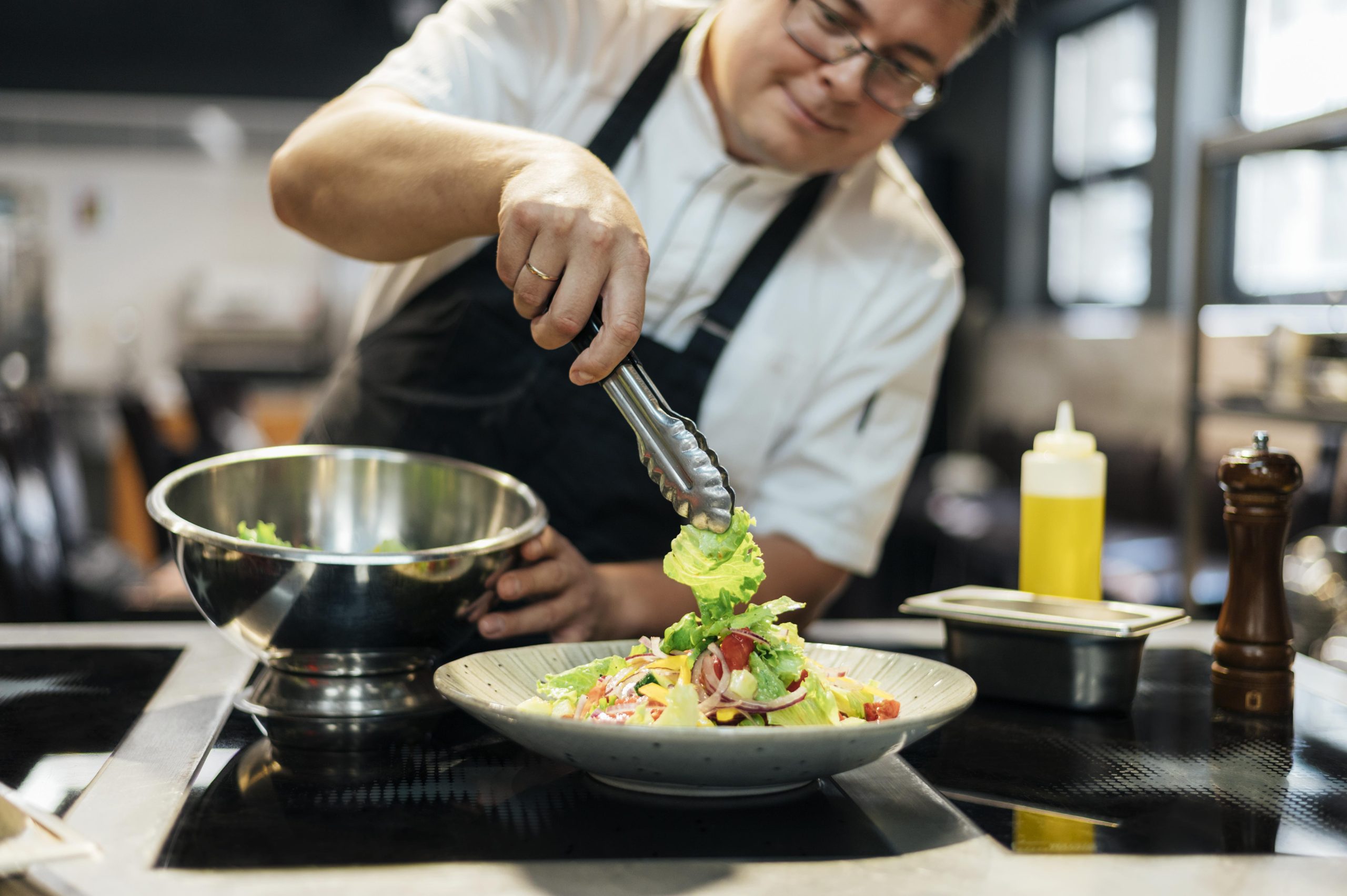
- Sight: presentation, colour balance, plating precision, and portion control.
- Touch: texture, dough elasticity, meat firmness, temperature, and consistency.
- Hearing: timing through sound, sizzling pans, boiling reductions, and kitchen communication.
Every service requires chefs to process enormous amounts of information rapidly, adapt instantly, solve problems in real time, and make hundreds of decisions under pressure.
Sound familiar? That is exactly how artificial intelligence operates.
Chefs Already Think Like AI
Long before AI became mainstream, chefs were already functioning in highly dynamic data environments. A chef’s brain constantly analyses timing, sequencing, workflow, ingredient availability, customer preferences, staffing pressures, cost, quality control, and speed of execution all at once.
Professional kitchens are living ecosystems of rapid decision-making. Chefs are trained to identify patterns, predict outcomes, adjust variables instantly, multitask fluidly, and improve systems continuously. These are the same core principles driving modern AI.
Why Hospitality Must Stop Fearing AI
There is growing fear across many industries that AI will replace jobs. Hospitality is different.
AI cannot replace human creativity, emotional connection, cultural storytelling, hospitality warmth, instinctive flavour development, or the sensory artistry of a great chef. But it can enhance operational performance dramatically.
Forward-thinking operators are already using AI to reduce food waste, streamline ordering, forecast stock, automate rostering, engineer menus, optimise pricing, analyse reviews, generate marketing content, and increase profitability.
AI Supports What Chefs Already Do Best
Chefs are masters of adaptation. When service gets slammed, chefs pivot. When ingredients run short, chefs improvise. When customer demands shift, chefs innovate. AI simply becomes another tool in that evolution.
Imagine AI analysing which dishes generate the highest margins, predicting quiet periods to reduce labour costs, flagging the menu items customers photograph most, assisting with allergen compliance, and supporting sustainability through smarter inventory control. These are not futuristic concepts anymore. They are happening now.
The Advantage Belongs to the Adaptable
Hospitality has always rewarded those who move quickly, think creatively, and adapt faster than competitors. The chefs who embrace AI early will gain ground in operational efficiency, customer engagement, profitability, sustainability, staff training, and scalability.
Importantly, AI does not diminish craftsmanship. It enhances it. A great chef with AI becomes even more effective, because technology removes repetitive administrative pressure and frees more energy for creativity, leadership, and customer experience.
Chefs already possess the mindset needed to succeed in the AI era: rapid processing, fluid adaptation, sensory intelligence, creative problem solving, and resilience under pressure.
The real question is no longer whether AI belongs in hospitality. It is whether hospitality leaders will evolve quickly enough to use it well.
Pip puts AI to work for cafes and restaurants. Rostering, stock, and built-in intelligence, all connected and working while you cook. From $149/mo + $9.99 per user.
Put AI in your kitchen