
AI Food Images: Why Fake Menu Photos Are Costing Restaurants
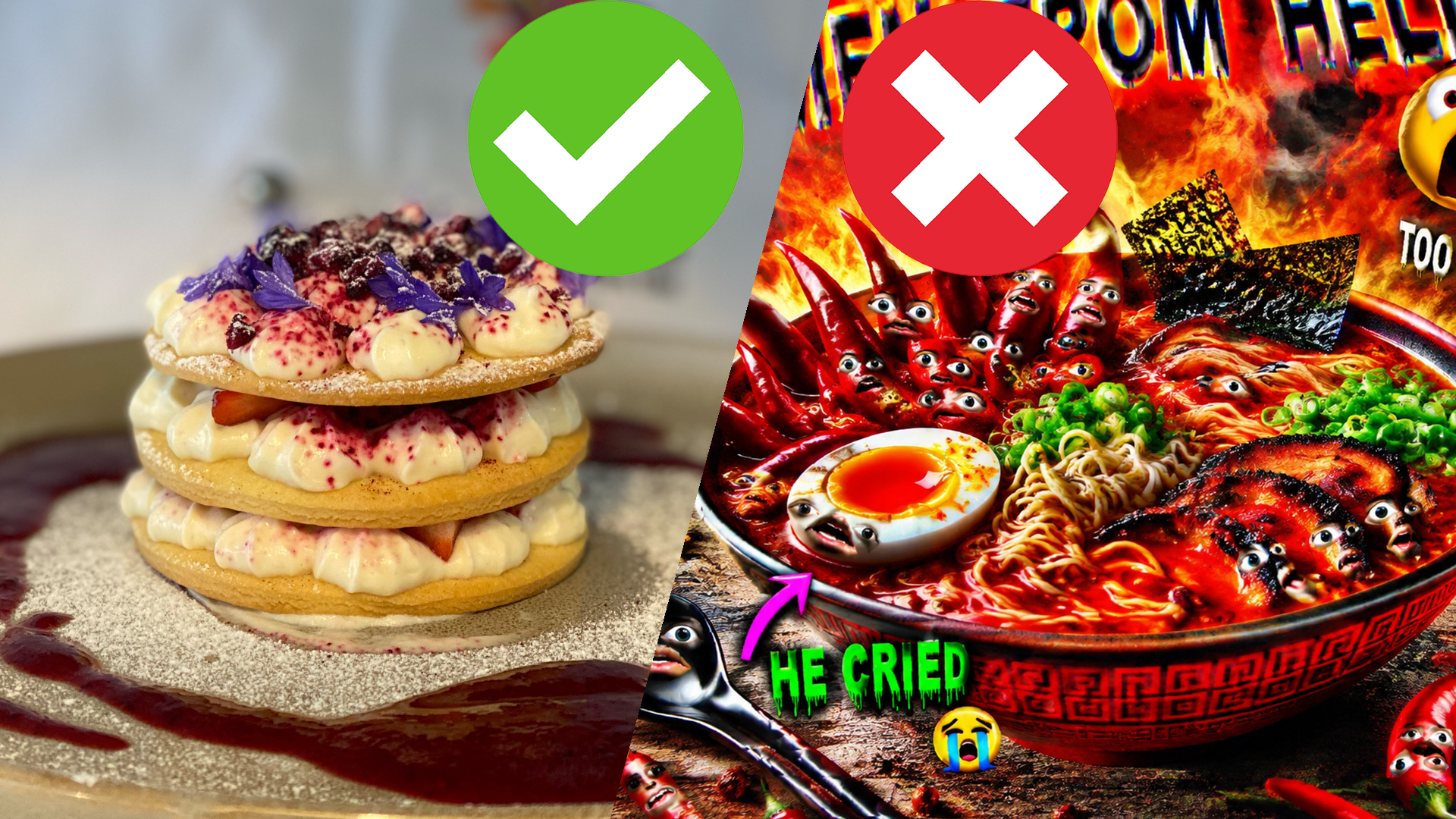
AI food images have become one of the most talked-about controversies in hospitality right now, and not in a good way. Over the past few weeks, diners have taken to social media in their thousands to call out restaurants using AI-generated pictures of their meals, describing the results as uncanny, glossy and frankly unappetising. One café became a viral cautionary tale. For an industry where trust is everything, this backlash carries a real lesson, and it is not the one you might expect from a company that genuinely believes in AI.
What Actually Happened
The debate erupted in mid-July 2026, when a post calling out restaurants for swapping real food photos for AI-generated ones racked up over 13 million views in five days. The poster child became a San Francisco café called Grind and Unwind. As HuffPost reported, the café had filled its storefront and menu with AI images of its pastries, drinks and sandwiches, and customers were not impressed. On Reddit, one thread branded the images “slop,” with commenters saying the bread looked “unsettling” and the slaw “scary.” The reaction ran so hot that the storefront was even graffitied before the owners pulled the images and replaced them with photos of their actual food.
The owners later said the AI images were only ever meant as a temporary placeholder for a new business, and that they were stunned by the intensity of the response. That detail matters, because it shows this was not some cynical big chain trying to deceive people. It was a small, well-meaning café that reached for a quick, cheap shortcut, and got burned. Which is exactly why it is worth every operator understanding what really went wrong here.
“The moment a customer clocks that your food photos are fake, they stop wondering about your marketing and start wondering what else you are hiding.”The trust problem in one sentence
Why It Backfires So Badly
The damage from fake food images is not just aesthetic. It strikes at the one thing hospitality cannot afford to lose: trust. There is a simple, brutal logic that kicks in the moment a diner spots an AI image. If the photo is fake, they reason, the food is probably being oversold too. The assumption quickly becomes that the restaurant is hiding how the meal really looks, and from there it is a short step to “if they cut corners on the photos, where else are they cutting corners?” An image meant to make the food look better ends up casting doubt over the whole operation.
There is also the expectation gap. AI images tend to produce a glossy, exaggerated, faintly plastic version of a dish: the impossibly thick patty, the flawless melted cheese, the overflowing toppings. When the real plate arrives and cannot possibly match, the customer feels let down, even if the food is genuinely good. You have manufactured disappointment out of a perfectly decent meal. The gap between the fantasy image and the real dish does more harm than an honest, modest photo ever would.
The Legal Line Kiwi Operators Should Know
Here in New Zealand, this is not only a matter of taste and trust. It can stray into legal territory. There is no law specifically banning AI images, but the Fair Trading Act 1986 prohibits misleading and deceptive conduct in trade, and as the Commerce Commission makes clear, that explicitly includes the impression created by pictures and promotional material, not just words. Crucially, it does not matter whether you intended to mislead. If a reasonable customer could argue the dish they received was materially different from the image that sold it to them, you are potentially exposed. A fantasy AI burger advertising a real, smaller one is exactly the kind of gap the Act is designed to catch.
This Is Not an Anti-AI Story
Now, here is where we have to be honest about our own position. We are firmly pro-AI. We think it is one of the most useful things to happen to small hospitality in years, and we have written before about how AI genuinely helps restaurants with the admin, marketing and daily grind that eats operators alive. So this is not a case of a company piling on a trend to bash technology. It is the opposite. It is precisely because we believe in using AI well that this particular use of it makes us wince. The problem was never AI. The problem was using the wrong kind of AI, in the wrong place, for the wrong job.
Photograph your real food. A decent phone camera in good natural light beats any AI fantasy. Real, honest photos build trust and set accurate expectations.
Use AI to enhance, not invent. Improving the lighting or background of a genuine photo is fine. Generating a dish that has never existed is where you get into trouble.
Never show a dish you cannot serve. If the image sets an expectation the plate cannot meet, you have created a problem no matter how good the food is.
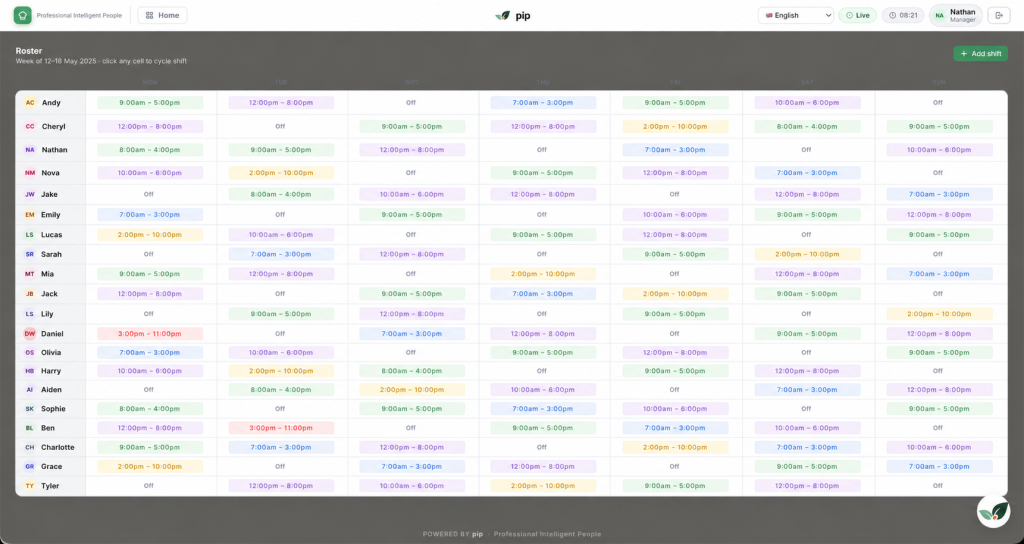
Put AI to work backstage instead. Rosters, menu descriptions, supplier emails, social captions, this is where AI genuinely saves you hours without risking customer trust.
When in doubt, be transparent. If you ever use an illustrative image, label it clearly. But remember: a label does not fix an image that is fundamentally misleading.
The Bigger Picture
Step back and this whole saga is really about something bigger than food photos. It is a live example of the wider public mood turning against lazy, low-effort AI, the kind people have started calling “slop.” Diners are getting remarkably good at spotting it, and their patience is thin. This is the same lesson that runs through everything we believe about technology in hospitality: the winners will not be the ones who use AI to fake and cut corners, but the ones who use it to genuinely serve people better. It is the exact argument we made in our piece on why hospitality needs to modernise the right way, use the tech to remove friction, never to replace the honesty and craft that customers actually come for.
The irony is that the honest option is almost always the better-performing one anyway. A real photo of a real dish, taken with a bit of care, will out-sell an uncanny AI fabrication every time, because customers can feel the difference. Good technology should make your business more trustworthy, not less. That belief, that AI should quietly make hospitality better rather than faker, sits at the heart of what we are building at Pip.
Frequently Asked Questions
Why are people angry about AI food images?
Diners argue that AI-generated food images look uncanny and unappetising, and that they misrepresent what a restaurant actually serves. The core objection is trust: if the photos are fake, customers assume the food is being oversold and that the business may be hiding something.
Are AI food images illegal in New Zealand?
There is no law specifically banning them, but the Fair Trading Act 1986 prohibits misleading and deceptive conduct, including impressions created by images. If a customer could reasonably argue the dish they received was materially different from the image that advertised it, a restaurant could be exposed, regardless of intent.
Is it ever okay for a restaurant to use AI images?
Yes, when used honestly. The key distinction is between AI generation, which invents a dish that never existed, and AI enhancement, which improves a real photo of your actual food. Enhancement of genuine photography is generally fine; fabricating dishes you cannot serve is where the risk lies.
What should restaurants use instead of AI-generated food photos?
Real photographs of your actual dishes, taken in good natural light, almost always perform better and build more trust. AI is far better used behind the scenes for tasks like rosters, menu descriptions, supplier emails and social captions, where it saves time without risking customer confidence.