
Employment Leave Act: What It Means for Hospitality Employers
On Wednesday evening, Parliament repealed the Holidays Act 2003 and replaced it with the Employment Leave Act 2026. For an industry that runs on casual shifts, variable hours and split rosters, this is one of the most significant payroll changes hospitality has seen in two decades. The good news is you have time to prepare. The important news is that hospitality is affected more than almost any other sector, so understanding what is coming matters. Here is a plain-English guide for operators, without the legal jargon.
The Holidays Act 2003 has been replaced by the Employment Leave Act 2026. Leave will now be counted in hours, not weeks and days. The changes take effect two years after Royal assent (expected around 2028), with a further year to update employment agreements. Nothing changes today, but hospitality, with its casual and variable-hours workforce, has the most to think about.
What Actually Changed
For more than twenty years, the Holidays Act was the single most complained-about piece of employment law in the country, blamed for hundreds of millions of dollars in payroll errors and back pay. The core problem was that it calculated leave in weeks and days, which is almost impossible to apply cleanly to someone who works different hours every week, exactly the situation in most cafés and restaurants. The new Employment Leave Act, confirmed by the Ministry of Business, Innovation and Employment, switches everything to an hours-based system designed to remove that ambiguity.
Leave is now counted in hours
Annual and sick leave will accrue in hours, in proportion to your standard hours of work, rather than in weeks and days. This is the central change everything else flows from.
Leave from day one, including casuals
Annual, sick, bereavement and family violence leave will be available from the first day of employment for everyone, including casual staff.
The 8% casual model is replaced
The old pay-as-you-go 8% holiday pay for casuals is gone. Additional and casual hours will instead attract a 12.5% leave compensation payment paid on those hours.
One hourly rate for all leave
Every leave type will be paid using a single hourly rate, removing the conversions between hours, days and weeks that caused most of the old errors.
Cash-up and clearer payslips
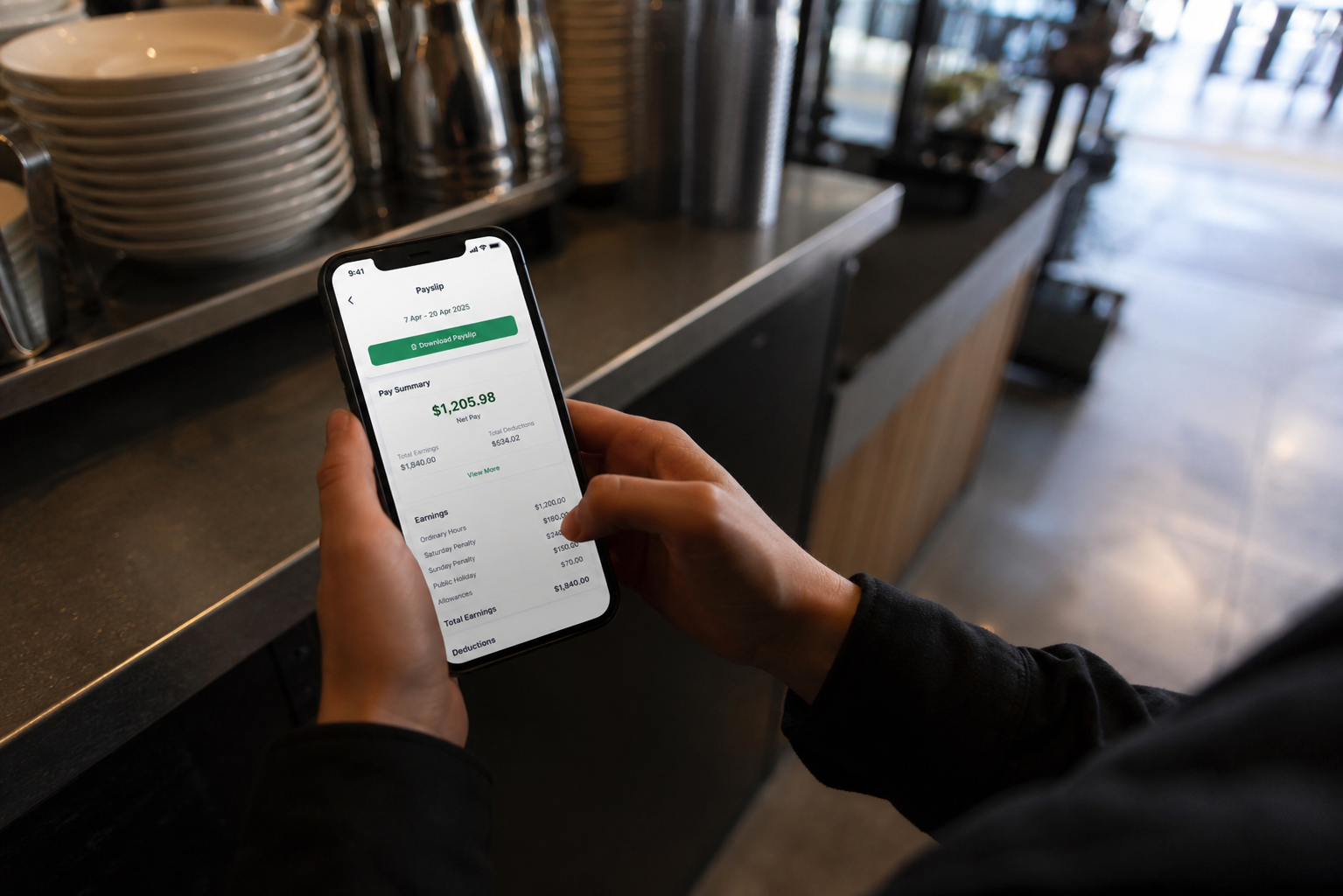
Employees can cash up a quarter of their annual leave each year, and itemised pay statements showing pay and leave become mandatory.
Why Hospitality Is Affected More Than Most
Here is the part that matters for our industry specifically. Roughly 93% of New Zealand employees work standard hours and will simply see their leave counted in hours against their contracted week, a fairly painless switch. But hospitality does not look like the other 93%. We run on casual staff, variable rosters, split shifts and people whose hours change week to week. According to reporting on the reform, accommodation, food services and retail together account for more than half of all recorded breaches under the old Act. In other words, the sector already struggled most with the old rules, and it is the part of the workforce where the new arithmetic produces the most different answers.
This is not a reason to panic, but it is a reason to pay attention. The businesses that will handle this transition smoothly are the ones that already have a clear picture of who works what hours, on what agreement, and how their leave is tracked. The businesses that will struggle are the ones still running rosters on paper or in a spreadsheet, where nobody is quite sure what anyone is owed. The reform is, in a sense, a two-year warning to get your house in order.
“The parts of the workforce that will feel the change most are the ones the old law handled worst: casual, variable and commission-paid staff. That is hospitality to a tee.”What the reform means for our sector
What You Should Do Now
Nothing changes overnight, and you do not need to act today. The existing Holidays Act rules still apply until the new Act comes into force in around two years. But there are sensible, low-cost steps worth starting now, because the operators who begin early will find the eventual switch far less painful than those who wait until the deadline.
Get your hours visible. Make sure you have an accurate, up-to-date record of who works what hours. Hours-based leave depends entirely on clean hours data.
Review your casual agreements. The 8% model is going. Look at how many of your team are on casual or variable arrangements, because those are the ones most affected.
Talk to your payroll provider. Most businesses will rely on their software vendor to build the new rules in. Ask them what their plan and timeline is.
Address any existing underpayments. The repeal does not erase old liabilities. If you have Holidays Act errors, they still need fixing under the remediation process.
Get systems off paper. If rosters and records still live in a spreadsheet or a notebook, this is the nudge to move to something that tracks hours properly.
That last point is the one we would gently underline. Almost every problem the old Holidays Act created came down to poor visibility of hours and entitlements. The single best thing a small operator can do, reform or no reform, is get their operational data out of spreadsheets and into a system that keeps it clear and current. It is the same theme we keep coming back to in why so many good hospitality businesses quietly fail: the invisible admin is where the risk hides.
The Honest Bottom Line
This reform is, on balance, good news for a sector that has been tangled in the old rules for years. A simpler, hours-based system should mean fewer errors and less of the payroll anxiety that keeps operators up at night. But simpler rules still need clean data to run on, and that is where a lot of small venues will find themselves exposed. The two-year runway is genuinely generous. Use it. Getting your rostering, hours and staff records into good shape now is exactly the kind of quiet groundwork that pays off later, and it is a core part of what we are building at Pip.
Please note: This article is general information for hospitality operators and is not legal or payroll advice. The Employment Leave Act 2026 is new and detailed guidance is still being published. For decisions about your business, check the official Employment New Zealand website and speak with your accountant, payroll provider or an employment law professional.
Frequently Asked Questions
When does the Employment Leave Act take effect?
The Act takes effect two years after it receives Royal assent, expected to be around 2028. Employers then get a further year to bring employment agreements into line. Until it comes into force, the existing Holidays Act 2003 rules still apply.
What happens to the 8% holiday pay for casual staff?
The old pay-as-you-go 8% model for casuals is being replaced. Under the Employment Leave Act, additional and casual hours will instead attract a 12.5% leave compensation payment paid on those hours.
Do I need to change anything right now?
No. The current Holidays Act rules remain in force until the new Act takes effect in around two years. However, employers are encouraged to start preparing, especially by getting accurate hours records in place and reviewing casual agreements.
Does the repeal cancel existing holiday pay underpayments?
No. Repealing the Holidays Act does not erase existing liabilities. Employers who have underpaid holiday pay will still need to remediate it. You can find official guidance on the Employment New Zealand website.
Why is hospitality affected more than other industries?
Hospitality relies heavily on casual staff, variable hours and split shifts, the exact arrangements the old weeks-and-days system handled worst. Accommodation, food services and retail together account for more than half of all recorded breaches under the old Act, so the shift to hours-based leave has the biggest practical impact here.