
Card Surcharge Ban NZ: Where It Stands and What Operators Must Know
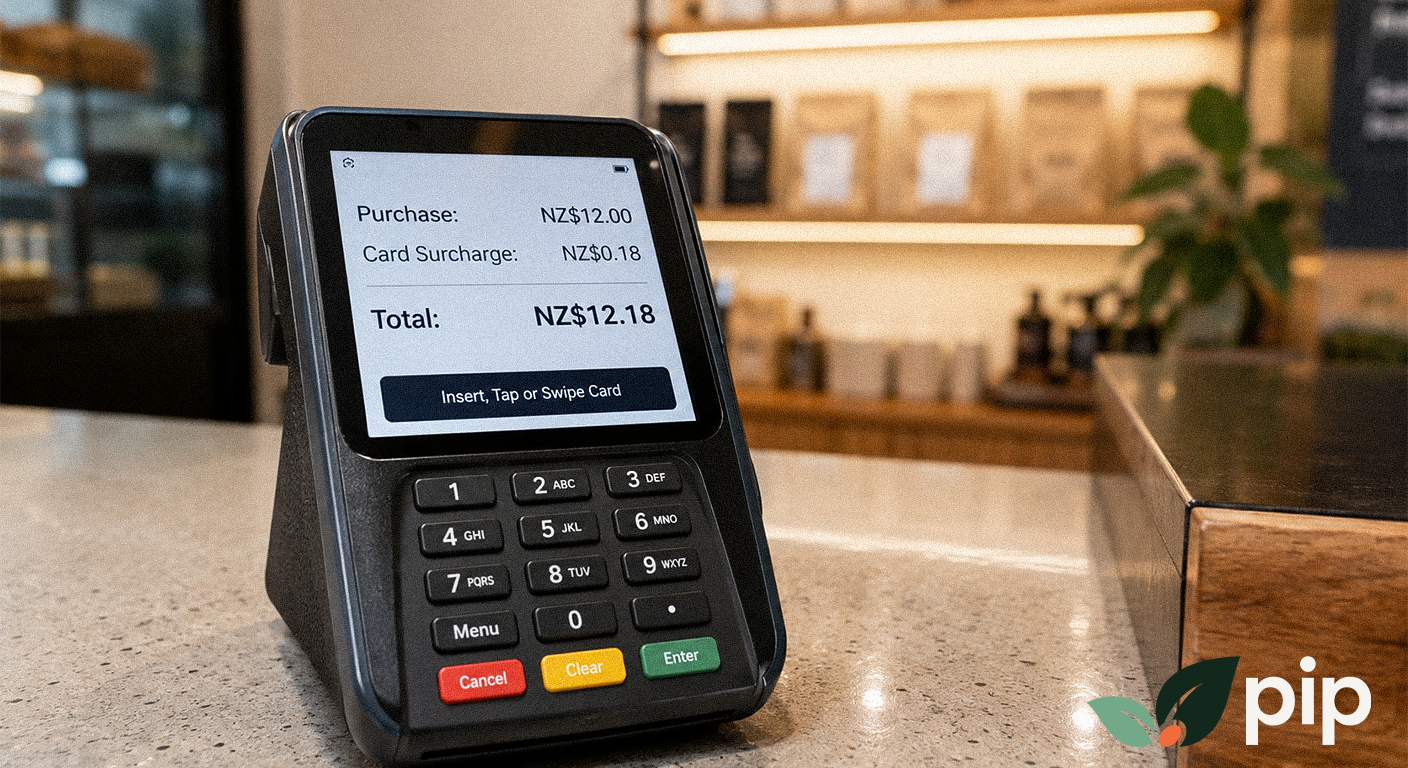
The card surcharge ban NZ operators were told to expect by May 2026 has quietly failed to arrive. The deadline came and went, the legislation is stalled in Parliament, and that little sticker on your payment terminal is still doing its job. For hospitality, this is not a minor political footnote. Surcharges, and whether you can keep charging them, sit right on top of your margin. So here is a clear, current picture of where the ban actually stands, why it stalled, and what it means for how you price and take payments.
The Retail Payment System (Ban on Merchant Surcharges) Amendment Bill was introduced in late 2025 with a promised deadline of May 2026. That deadline has passed. The Bill is stalled in Parliament without enough coalition support to pass, so surcharging is still legal for now. Separately, the Commerce Commission has already cut the interchange fees that drive card costs, which changes the maths for every operator.
How We Got Here
The promise was popular and clearly made. In July 2025, the then Commerce Minister announced that in-store surcharges would be banned by May 2026 at the latest, framing it as a clean win for shoppers tired of paying 2% or more just to tap a card. The Government estimated New Zealanders were paying up to $150 million a year in surcharges, including as much as $65 million in excessive ones. As set out in the official announcement, the ban was to cover Eftpos, Visa and Mastercard, including contactless.
Then it stalled. As reported by interest.co.nz, the Bill lost momentum because the governing coalition could not agree: National continued to back the ban, but ACT did not support it in its current form and NZ First was described as thinking it was going nowhere. The May deadline slipped past without a word, and the new Commerce Minister could offer only that he would “have something to say shortly.” Months on, that “shortly” is still doing a lot of work, and the surcharge line remains on receipts around the country.
“The country that moved first has stalled, and the country that followed is about to finish the job. Australia switches surcharges off from October 2026.”The trans-Tasman contrast
Why This Matters More for Hospitality Than Most
For hospitality, surcharges are not a minor line item, they are a genuine cost pressure in a sector already running on thin margins. That is exactly why the industry’s response to the ban has been mixed. As the Restaurant Association of New Zealand has pointed out, while removing surcharges is good for consumers, those fees represent real costs that someone has to absorb, and without them many small operators will simply have to raise prices instead. One Wellington cafe owner noted paying $17,000 in merchant fees in a single year. Take away the ability to pass that on, and it lands straight on the bottom line, or on the menu.
This is the quiet tension in the whole debate. A surcharge is one of the few tools a small operator has to recover a real cost transparently, the customer choosing the convenience of tapping a card pays for it. Ban it, and the cost does not vanish. It just moves, usually into higher prices that every customer pays, including those who would have used cash or Eftpos. Whether that is fairer is a genuine question, and reasonable people land on both sides.
The Part Most Operators Are Missing
Here is the detail that often gets lost in the headlines. While the ban itself stalled, a separate and very real change has already happened: the Commerce Commission has been cutting the interchange fees that make up the bulk of your merchant service costs. Caps on domestically issued Visa and Mastercard took effect from December 2025, with further cuts to foreign-issued cards from May 2026. In plain terms, the underlying cost of accepting a card payment has come down for most operators, whether or not the surcharge ban ever passes.
That matters because it means the honest justification for a high surcharge has weakened. If your terminal is still set to a 2% or higher surcharge that was configured a couple of years ago, there is a real chance you are now collecting more than the payment is actually costing you. That is worth checking regardless of the political outcome. A surcharge is meant to recover your fee, not become a margin on top of it, and a rate that no longer matches reality is both a compliance risk and a quiet way to annoy your regulars.
Check your actual merchant fee. Find out what percentage you are really paying now, after the recent interchange cuts. It may be lower than you think.
Compare it to your surcharge rate. If you are surcharging more than your true cost, adjust it down. Over-surcharging is a compliance risk and a customer-trust risk.
Model the “no surcharge” scenario. Work out now what you would need to do on pricing if the ban does eventually pass. Do not get caught flat-footed.
Review your terminal deal. Newer, lower-fee tap-to-pay options for small merchants are emerging. It is a good moment to see if you are on the right plan.
Think about transparency. However you handle it, customers respond well to clear, honest pricing. Hidden or excessive fees erode trust fast.
What To Do While the Politics Plays Out
The uncomfortable truth is that you cannot control what Parliament does, and you could spend months waiting for a decision that keeps slipping. What you can control is whether your own numbers are clean and current. This comes back to the same discipline we wrote about in our guide to reducing restaurant labour costs without cutting staff: the operators who stay healthy are the ones who know their real costs, line by line, and adjust deliberately rather than reacting late. Your payment costs deserve exactly that same scrutiny.
It also reinforces a theme we keep returning to: margin in hospitality is won or lost in the details most operators never look at closely. The surcharge on your terminal, the fee on your statement, the gap between what you charge and what it truly costs you. These are exactly the quiet, unglamorous numbers that decide whether a venue thrives or slowly bleeds, the same story we told in why so many good hospitality businesses quietly fail.
The Bottom Line
The surcharge ban may pass this year, next year, or arrive in a form nobody has quite predicted. What is certain is that the cost of taking payments, and how transparently you handle it, will keep mattering to your margin and your relationship with customers. The smart move is not to wait for Wellington. It is to get your own numbers clear now, so that whatever lands, you can adapt in a day rather than a scramble. That kind of operational readiness, knowing your costs and being able to move fast, is exactly what we are building at Pip.
Please note: This article is general information for hospitality operators and is not legal or financial advice. The surcharge ban legislation is still before Parliament and its status may change. For guidance on surcharging rules and setting an appropriate rate, refer to the official Commerce Commission website and your payment provider.
Frequently Asked Questions
Is the card surcharge ban in NZ now in force?
No. Despite a promised deadline of May 2026, the Retail Payment System (Ban on Merchant Surcharges) Amendment Bill has stalled in Parliament without enough support to pass. Surcharging remains legal for now, and there is no confirmed new date for a ban.
Can I still charge a card surcharge as a hospitality business?
Yes, surcharging is currently still legal in New Zealand. However, you should follow Commerce Commission guidance and make sure your surcharge reflects your actual cost of accepting payments, especially since interchange fees have recently been cut.
Have card payment costs actually changed?
Yes. Separately from the stalled ban, the Commerce Commission has capped interchange fees, the largest component of merchant service fees. Caps on domestic Visa and Mastercard applied from December 2025, with further cuts to foreign-issued cards from May 2026, lowering costs for most businesses.
How should hospitality operators prepare for a possible surcharge ban?
Check your true merchant fee after recent cuts, make sure your surcharge rate matches that cost, model what a no-surcharge scenario would mean for your pricing, and review your terminal plan. Preparing now means you can adjust quickly whenever the political situation resolves.