

Experiential Dining: Why Vibe Now Beats Menu for NZ Venues
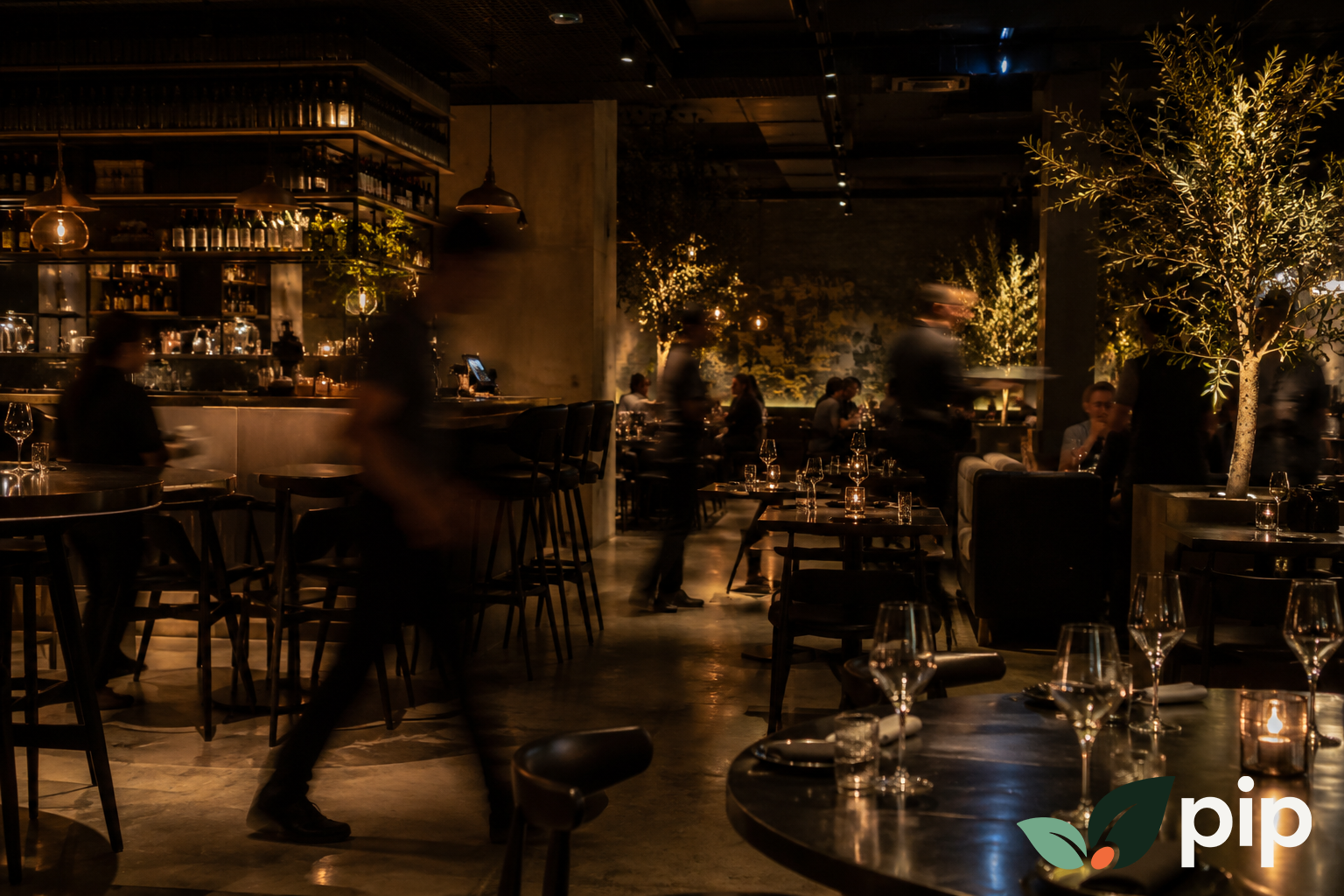
Here is a contradiction every operator is living through right now. People are dining out less and watching every dollar, yet more than half say they will happily pay a premium for the right experience. That is not a paradox, it is the single most important shift in hospitality today. The rise of experiential dining means guests are no longer just buying a meal. They are buying a feeling, a memory, a moment worth leaving the house for. And the venues that understand this are quietly pulling ahead, even in a tough market.
The Contradiction Driving Everything
Money is tight, and diners are being deliberate. A growing share now say that going out to eat feels like a special treat rather than a routine, which means every visit carries higher expectations. When someone saves their spend for one night out instead of three, that one night has to deliver. As reported by OpenTable, over half of diners say they are willing to pay a premium for a one-of-a-kind dining experience. The lesson is bracing: guests have not stopped spending, they have stopped settling. A forgettable meal at a fair price no longer cuts it, because the competition is not the restaurant next door, it is staying home.
What “Feeling-First” Actually Means
This does not mean you need theatrics, fog machines or a degustation menu. Feeling-first dining is simpler and deeper than that. As hospitality analysts at Lightspeed describe it, it is the shift where emotional, memorable and highly shareable moments begin to matter as much as the food itself, through considered lighting, sound, scent, tableware and the story a venue tells. The research from Kantar and Mintel backs this up: post-pandemic guests are craving heightened, multi-sensory experiences that turn a meal into a form of entertainment. It is less about spectacle and more about intention. Every sense your guest uses is either working for you or against you.
Think about the last meal you genuinely remember. The odds are it was not just the food. It was the light as the sun went down, the music that fit the room perfectly, the server who read the table exactly right, the way the whole thing felt like an occasion. That is feeling-first dining, and the striking thing is how little of it is actually about the plate. Most of it is atmosphere, timing and human warmth, the things a small independent venue can absolutely nail without a big budget.
“Guests have not stopped spending. They have stopped settling. The competition is no longer the venue next door, it is the sofa at home.”The new bar for “worth it”
Why This Is Good News for Independents
Here is the genuinely encouraging part. Feeling-first dining is the one arena where a small, independent Kiwi venue can out-compete a chain, and often does. A large group can standardise a menu and undercut you on price, but it cannot easily replicate genuine warmth, a sense of place, or a room that feels personal rather than rolled out from a template. Atmosphere and hospitality are not bought at scale. They are built, shift by shift, by people who care. That is your advantage, and this trend rewards it more than any menu engineering ever could.
Get the lighting right
Nothing shapes mood faster or cheaper. Harsh, flat light kills atmosphere instantly. Warm, layered, dimmable lighting that shifts with the time of day is one of the highest-impact, lowest-cost changes you can make.
Curate the sound
Music is not background, it is mood. A considered playlist matched to your room and your service periods does more for the feel of a venue than most decor. Silence or the wrong genre quietly pushes people out the door.
Make one moment shareable
You do not need an Instagrammable everything. One striking dish, a beautiful corner, a signature serve. Give guests a single reason to reach for their phone, and they market you for free.
Train for warmth, not just service
The most powerful sensory element in any room is a human one. A team that reads tables, remembers regulars and delivers genuine warmth creates the feeling no chain can copy.
Tell your story
Where your produce comes from, why the venue exists, what makes it yours. A sense of place and narrative turns a meal into something guests feel part of, not just something they consumed.
The Catch: Feeling Has to Be Consistent
There is one hard truth underneath all of this. An experience is only as good as its worst night. A venue that feels magic on Friday and shambolic on Tuesday does not have an experience, it has a lottery, and guests paying premium prices will not forgive the bad draw. Consistency is what separates a genuine experiential venue from one that got lucky once. And consistency is not a vibe, it is a system: the same standards, the same warmth, the same attention to detail, every service, regardless of who is on. It is the same principle behind why so many good hospitality businesses quietly fail, the magic lives or dies on the operational basics being right every single time.
This is also where your team becomes everything. You cannot deliver a consistent feeling with a crew that changes every month and never quite knows the standard. The warmth guests are paying for comes from people who feel confident, valued and clear on what good looks like, which is exactly why we keep coming back to the same point in pieces like why your front of house cannot sell what they have never tasted. The experience is delivered by humans. Look after them, and they will deliver it night after night.
The Bottom Line
The venues that thrive through a tight market will not be the cheapest, and they will not necessarily have the fanciest menu. They will be the ones that make people feel something worth paying for, and then deliver that feeling reliably, every service. Experiential dining is not a trend to chase with gimmicks. It is a reminder of what hospitality was always meant to be: not just feeding people, but making them feel genuinely looked after. Building the consistency and team culture that lets you deliver that, night after night, is exactly what we are working on at Pip.
Frequently Asked Questions
What is experiential dining?
Experiential dining is a style of hospitality where the atmosphere, emotion and memory of a visit matter as much as the food. It uses elements like lighting, sound, scent, storytelling and genuine service to turn a meal into a memorable occasion rather than a simple transaction.
Why is experiential dining growing in 2026?
As cost-of-living pressures make dining out feel more like a special treat, guests are more selective and expect more from each visit. Many are willing to pay a premium for a one-of-a-kind experience, so venues that deliver atmosphere and emotion, not just food, stand out.
Do you need a big budget for experiential dining?
No. Some of the highest-impact elements, such as thoughtful lighting, a well-curated playlist, genuine staff warmth and a strong sense of place, cost little. Independent venues often have an advantage, because authentic atmosphere and hospitality are hard for large chains to replicate.
How can a small restaurant create a memorable dining experience?
Focus on the senses and consistency: get the lighting and music right, create one genuinely shareable moment, tell your venue’s story, and train your team to deliver warmth every service. The key is making the experience reliable, not just occasionally magical.