
Tipping in New Zealand: Should We Start? Both Sides of the Debate
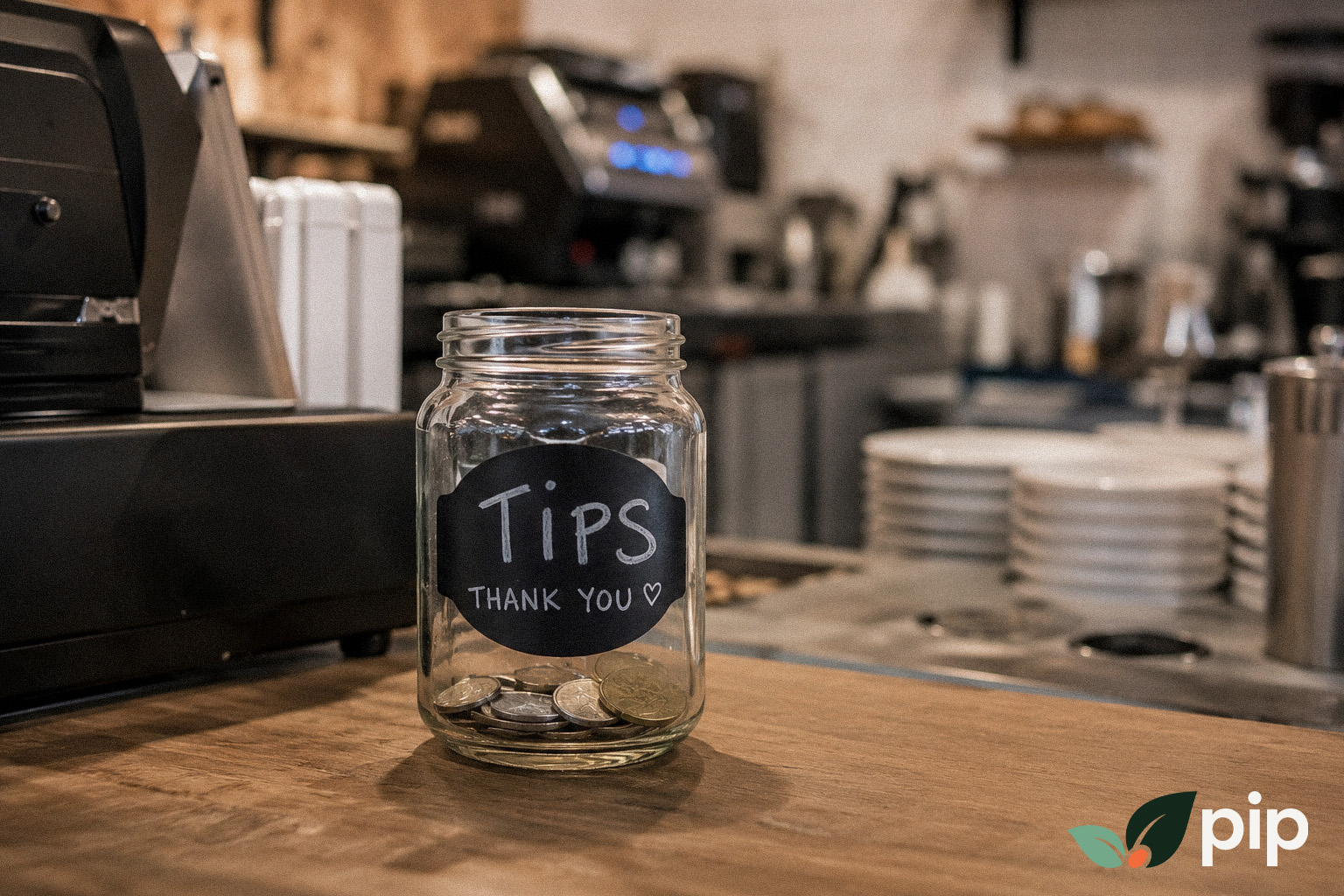
Tipping in New Zealand has always been simple: you pay what is on the bill, and that is that. No awkward mental maths, no guilt-tripping card screen, no server depending on your generosity to make rent. But that quiet consensus is starting to wobble. Eftpos machines now flash tip prompts, some operators are openly floating an American-style model, and a squeezed industry is looking for any lever it can pull. So it is worth asking honestly: should we start tipping? There are genuine arguments on both sides, and they deserve a fair hearing.
New Zealand has never had a tipping culture, largely because hospitality workers earn a legal minimum wage (currently around $23.50 an hour) rather than the sub-$3 “tipped wage” that exists in the United States. But rising costs and thin margins have some in the industry asking whether tipping could help. This piece lays out the honest case for and against, and leaves the verdict to you.
Why This Is Even a Question Now
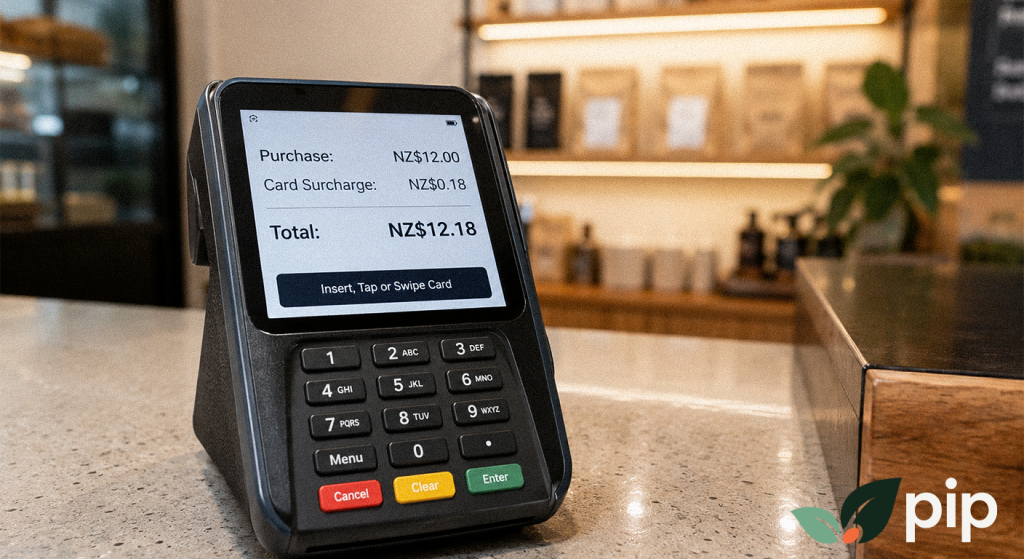
For years, the topic barely came up. What changed is partly technology and partly economics. The rollout of upgraded Eftpos machines quietly introduced a feature that now asks diners whether they want to add 5%, 10% or 15% to the bill, putting a decision in front of customers that most had never faced before. At the same time, the industry is under real financial strain. As reported by the NZ Herald, one Auckland hospitality entrepreneur has openly proposed lowering menu prices and encouraging tipping to top up wages, arguing that in a tough economy, wages are one of the few costs an operator can actually influence. Whether you love or loathe the idea, the pressure behind it is real.
The Case For Tipping
It rewards genuinely good service
Supporters argue tipping gives staff a direct, immediate incentive to go above and beyond. When effort is visibly rewarded, the theory goes, service sharpens and the whole experience lifts. Some operators say variable, performance-linked pay simply keeps people hustling in a way a flat wage does not.
It could lift take-home pay in a hard industry
Hospitality is among the lowest-paid sectors in the country, and in high-cost towns like Queenstown, workers struggle. Advocates argue tips could meaningfully boost income, potentially adding thousands a year on top of wages, without the business having to absorb the full cost directly.
It gives struggling venues a release valve
With rents, food costs and wages all climbing, margins are razor thin. The argument here is that a tip-supported model lets a venue keep menu prices lower and more competitive, drawing customers in, while giving staff a way to earn more when the room is busy.
It can improve retention and morale
Some in the industry believe better-earning, better-rewarded staff are happier and stay longer, easing the sector’s punishing turnover. If tips lift both pay and job satisfaction, the reasoning goes, everyone benefits, including the customer who gets a more experienced team.
The Case Against Tipping
The opposing case is just as substantial, and it starts with a point of national pride. As argued by academics at the University of Auckland, New Zealand’s fair-wage model is precisely why we do not need tipping, and importing the American system could do real harm. In the United States, tipped workers can legally be paid as little as around two US dollars an hour, which is exactly why tips there are not a bonus but a survival mechanism. New Zealand deliberately built a different social contract. Critics argue that normalising tipping risks eroding that, shifting the responsibility for paying staff properly from the employer back onto the customer.
It can become a way to suppress wages
Unions warn that once tips are expected, they can quietly discourage employers from lifting base pay. The concern is not that wages instantly drop, but that tipping removes the pressure to raise them, leaving workers dependent on customer goodwill rather than a solid, guaranteed income.
“Optional” quickly becomes obligation
In tipping cultures, leaving nothing is a social faux pas, not a free choice. Critics argue New Zealand’s genuinely optional model is better for everyone, and that tip prompts on card machines already apply an uncomfortable pressure that chips away at that freedom.
It is often unfair to the kitchen
Tips usually flow to front-of-house, not the chefs and kitchen staff who are equally essential. In a cashless world, tips left on a card can be hard to distribute fairly, and there is a real risk they do not reach the people who cooked the meal at all.
It adds cost, confusion and tax wrinkles
For diners already facing high prices, tipping is another cost and another calculation. There are tax obligations on tips that are easily overlooked, and in a cashless economy, questions about where a card tip actually ends up, staff or employer, are not always cleanly answered.
“The real question is not whether staff deserve more. Almost everyone agrees they do. It is whether tipping, or fair wages, is the right way to get them there.”The heart of the debate
The Wrinkles Both Sides Skip Over
Most tipping arguments stay comfortably on their own side. But there are a few honest complications neither camp likes to dwell on. The “it rewards good service” claim assumes tips actually track service quality, yet plenty of evidence suggests they track things like a customer’s mood, appearance bias, or simple social habit far more than the quality of the meal. On the other side, the “we pay fair wages already” argument is true, but a fair minimum wage and a comfortable living wage are not the same thing, and in the most expensive tourist towns, the gap between them is exactly where the tipping debate keeps reigniting.
There is also a quieter truth underneath all of it. Tipping is often floated as a fix for a problem it does not really solve: the margin pressure crushing venues in the first place. If a business is reaching for tips to top up wages, the underlying issue is usually cost structure and efficiency, not customer generosity. That is the same theme we explored in our guide to reducing labour costs without cutting staff, the healthiest venues fix the maths of the business rather than asking the customer to paper over it.
So, Where Do You Land?
This is genuinely one where reasonable people disagree, and we are not going to pretend there is one obvious answer. Some see tipping as a fair, flexible way to reward good people in a tough industry. Others see it as the thin end of a wedge that lets employers off the hook and imports a system most Kiwis have happily lived without. Both views are held sincerely, and both have real evidence behind them. What is not in dispute is that hospitality workers deserve to be valued and venues deserve to be viable, and that the businesses navigating this best are the ones with a clear grip on their own numbers and their own culture. Building that clarity is what we care about at Pip.
So we will hand it to you. Should tipping become part of New Zealand hospitality, or is our no-tipping culture something worth protecting? There is no tidy right answer here, only a conversation worth having honestly. We would genuinely like to know where you land, and why.
Frequently Asked Questions
Is tipping expected in New Zealand?
No. Tipping in New Zealand is genuinely optional and not expected. Hospitality staff are paid at least the legal minimum wage, so they do not rely on tips to earn a living. Leaving nothing is completely normal and will not affect your service.
Why don’t New Zealanders tip like Americans do?
The key difference is wages. In the United States, tipped workers can be paid a very low base wage on the assumption tips make up the rest. New Zealand has no separate “tipped wage”, so workers earn a full minimum wage regardless, which is why tipping never became a cultural norm here.
Should you tip for good service in NZ?
You can, but you are not obligated to. For genuinely exceptional service, rounding up or leaving around 10% is a warm gesture that staff appreciate. Many New Zealanders tip occasionally for standout experiences rather than as a default rule.
Do card machine tip prompts mean tipping is becoming normal in NZ?
Upgraded Eftpos terminals increasingly show tip prompts, which has sparked debate, but tipping is still not a social expectation in New Zealand. Selecting “no tip” remains the normal choice for most people, and there is no consensus that the country is shifting to a tipping culture.